Dec 9, 2022 | Locomotion, Welfare
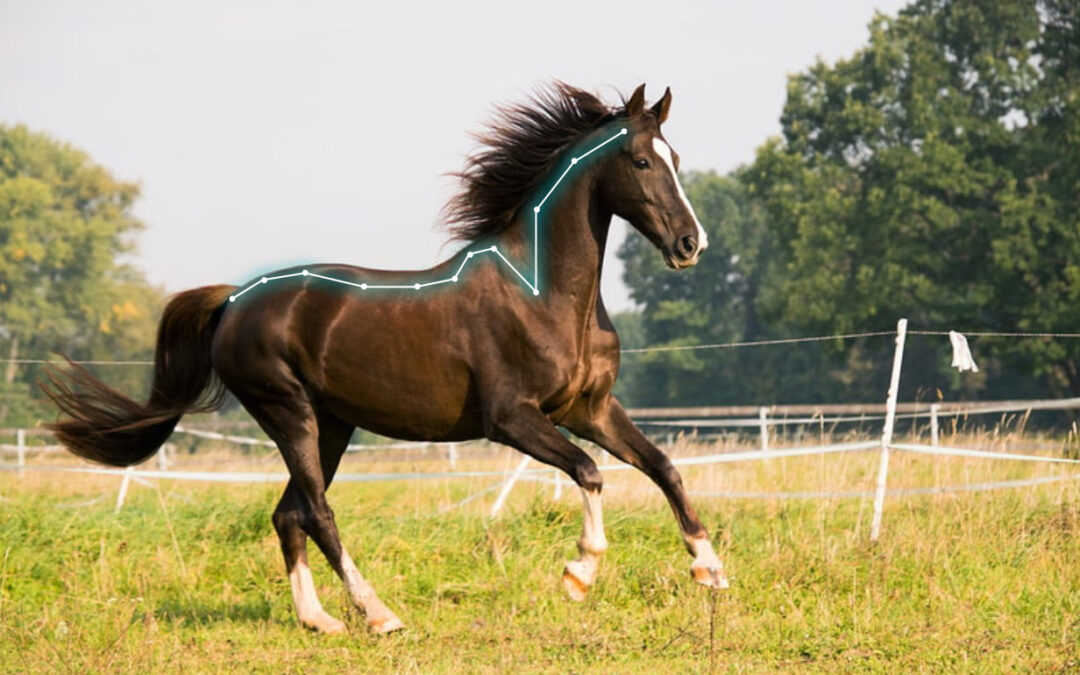
Home 9 Category: Welfare The horse’s back is a key element of equine biomechanics, linking the hindquarters to the forehand, and supporting the rider’s weight. The different anatomical structures and muscle chains that compose the horse’s back...
Nov 30, 2022 | Locomotion, Welfare
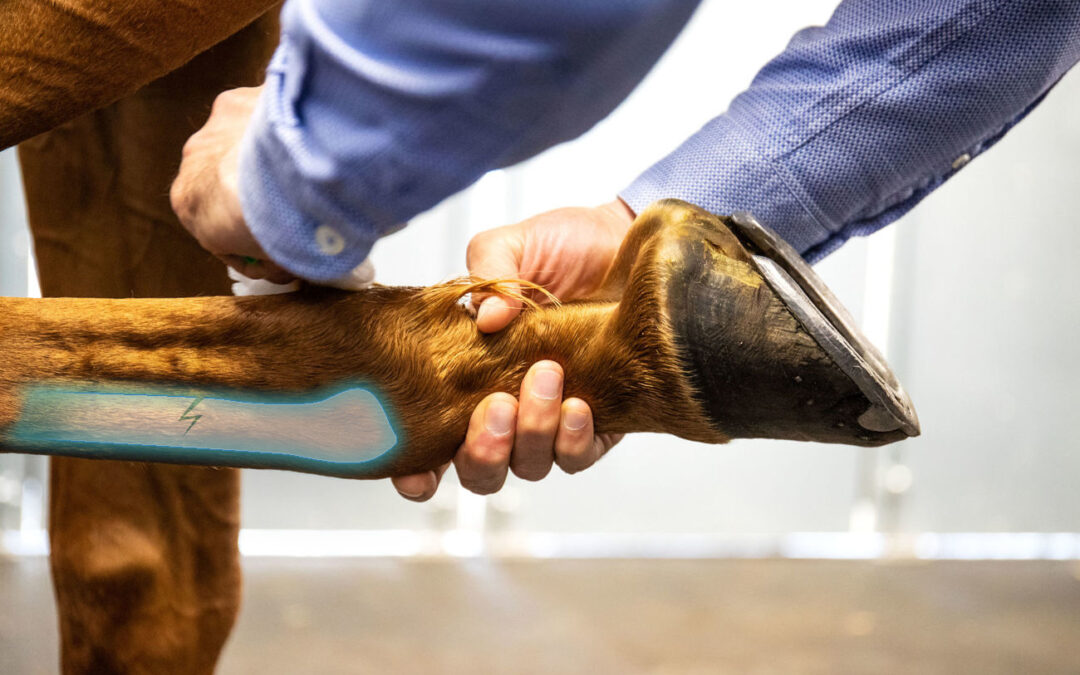
Home 9 Category: Physiology Lameness in horses is characterised by pain in the locomotor system. Visually, when moving, the transfer of body weight does not appear to be regular. In other words, its movements are asymmetrical. Even if lameness is common in...

Nov 18, 2022 | Locomotion, Physiology, Welfare
Home 9 Category: Locomotion analysis “No abs, no back”. To be in a healthy physical shape, the horse must be well exercised, and the training of its back muscles – and its abdominal muscles – is a key element. Because of the anatomical...
Aug 18, 2022 | Locomotion, Physiology, Welfare
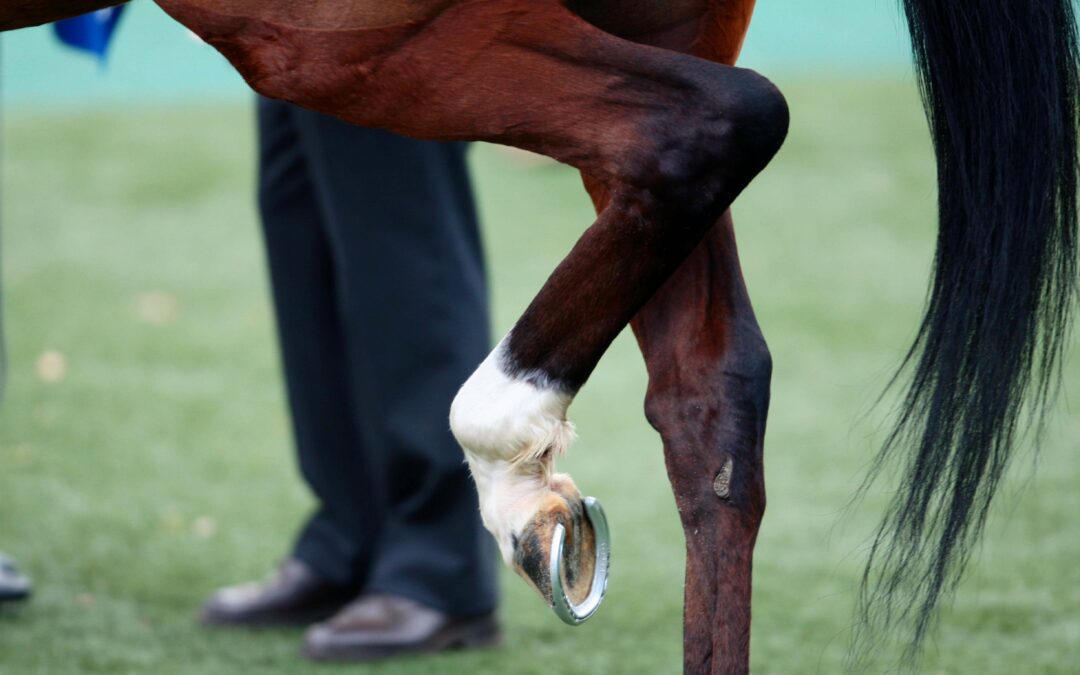
Home 9 Category: Physiology Athlete horses are usually trained for a specific discipline. Jumping, dressage, eventing or racing, each of these sports requires specific and adapted training, involving distinct anatomical structures. The same observation can be...
Aug 4, 2022 | Locomotion, Physiology
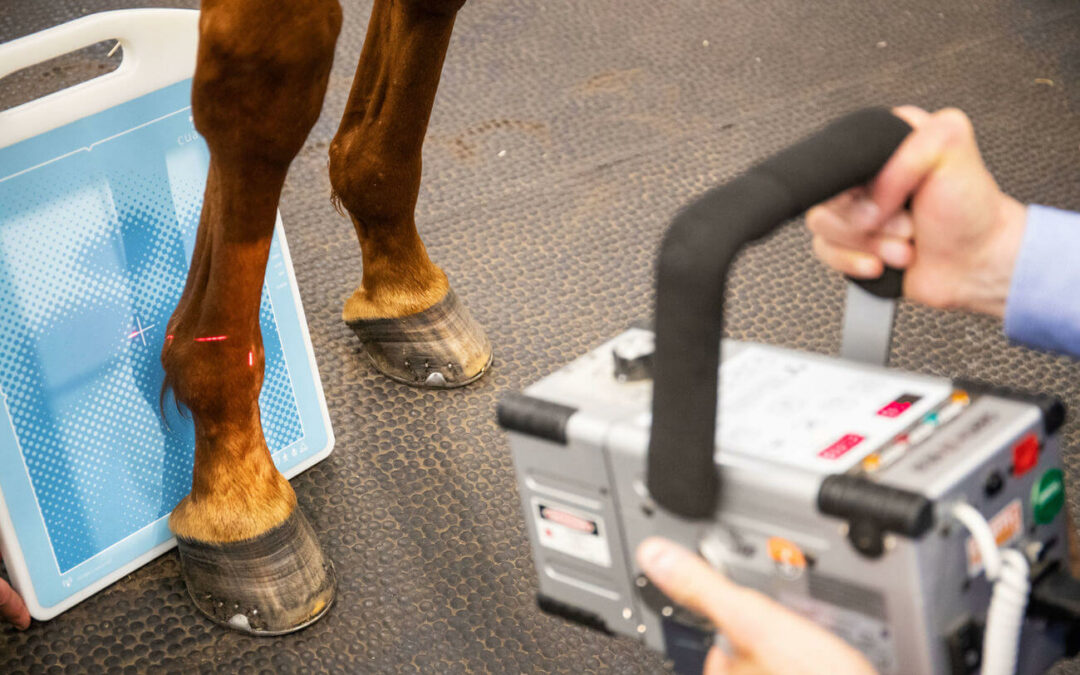
Home 9 Category: Physiology Nowadays, an increasing number of veterinary diagnostic tools are available on the market, providing clear images, accurate measurements and quantified data. The first veterinary support tools were of course imaging techniques, with...